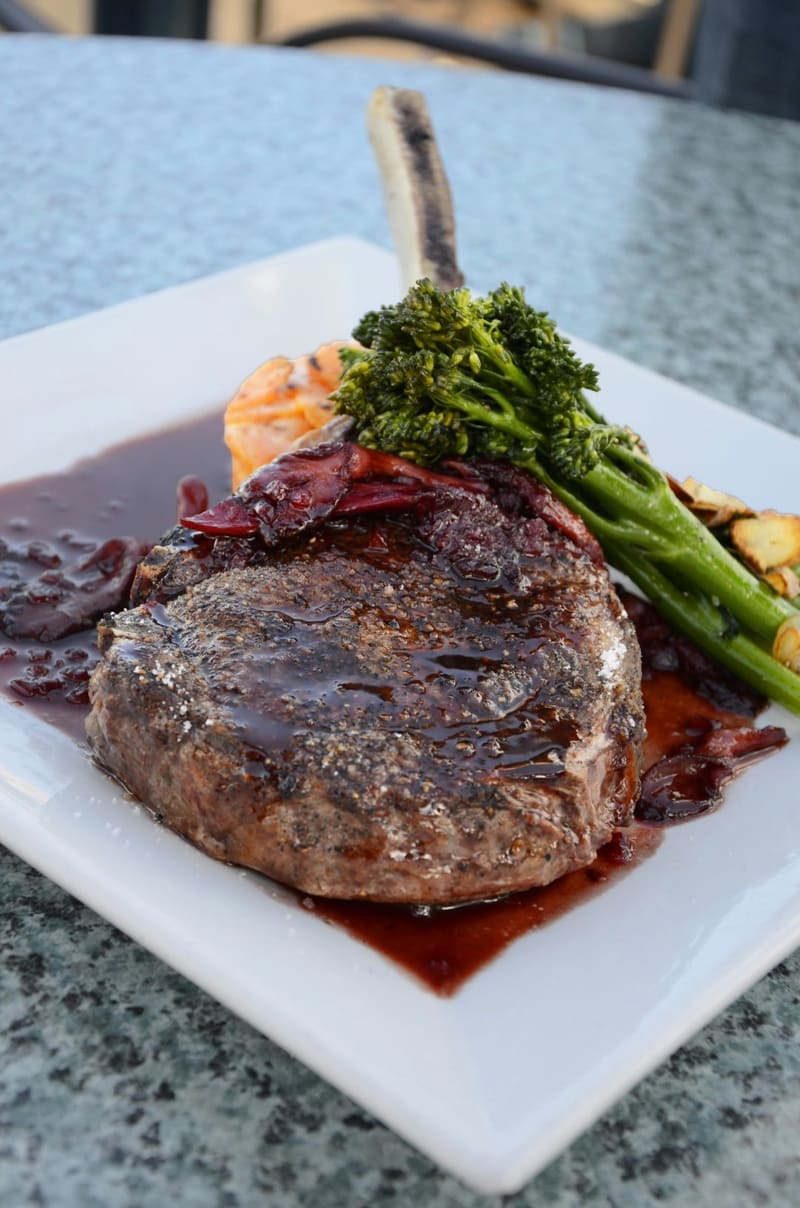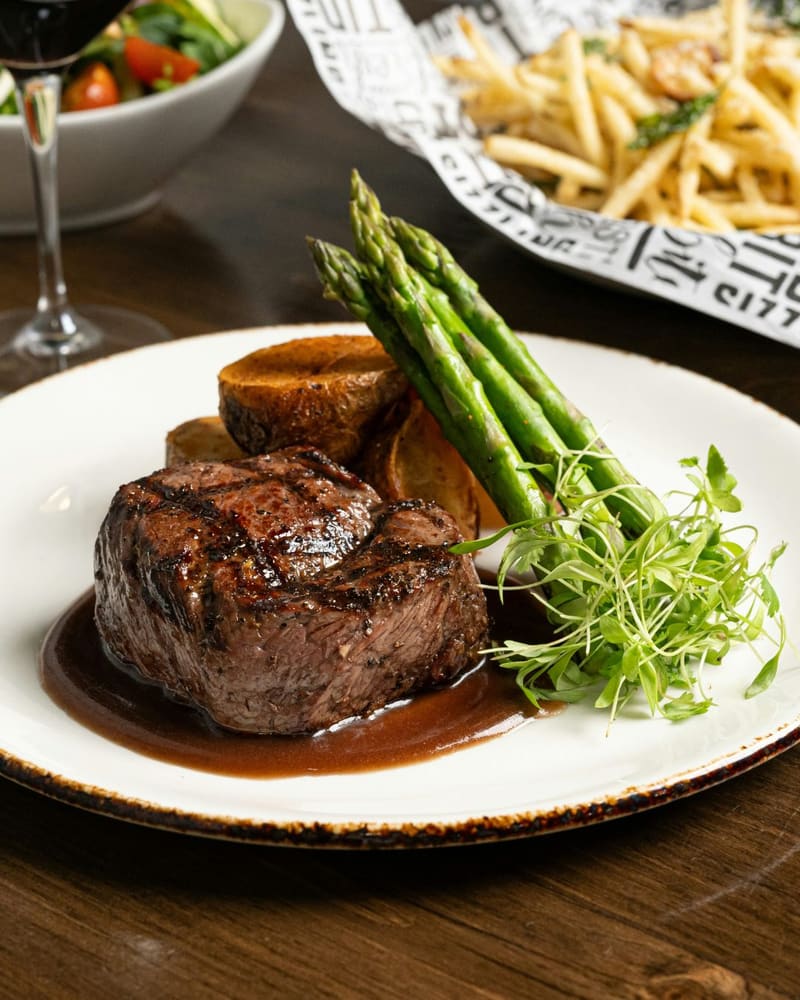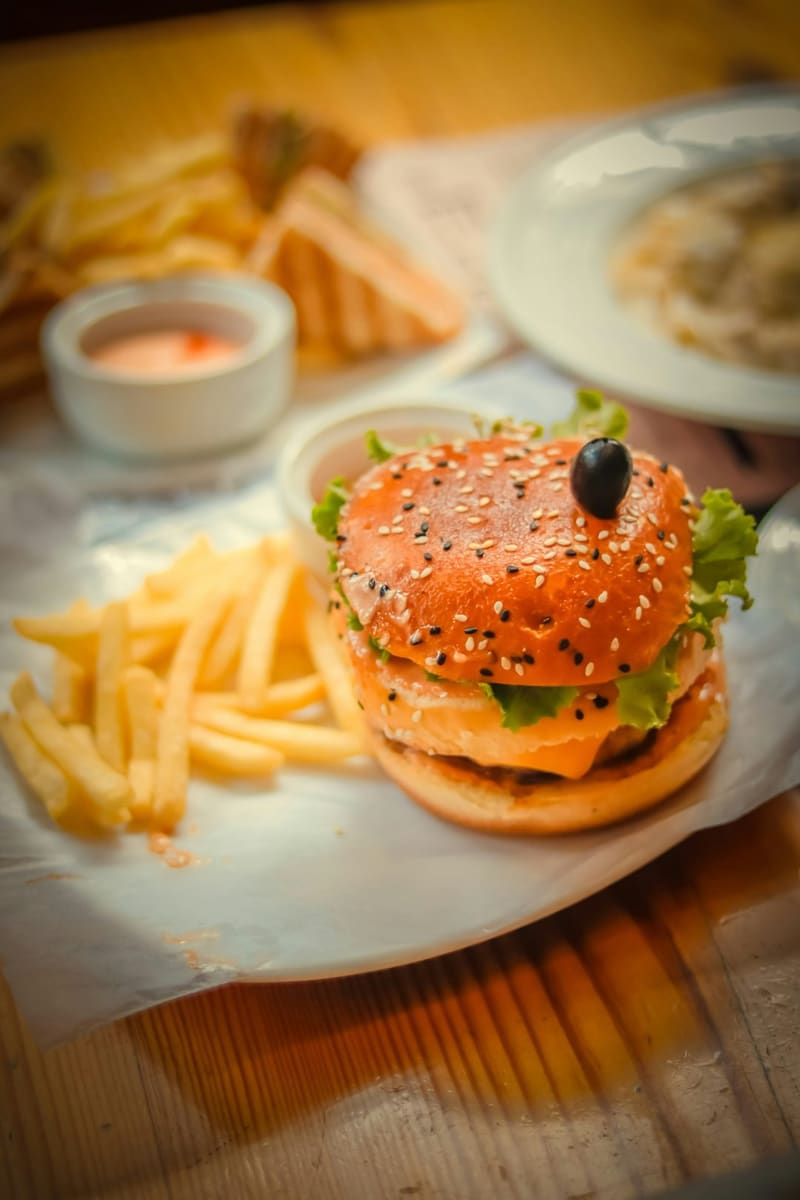
Not a PDF. Not a photo of a chalkboard. A menu people can read on a phone, that you change from your phone.
The most opened page on any restaurant website is the menu, and the most common thing to find there is a PDF from two price rises ago that opens sideways.
A Clay menu is part of the page. Courses, dishes, descriptions, prices, allergens, and a switch for the thing you have run out of — changed on your phone between services and live before you put it back in your pocket.
Dishes group into courses and the courses do the navigating. On a phone that means somebody looking for the vegetarian option finds it in one scroll rather than pinching a PDF.
Prices are text, so they are searchable, readable by a screen reader, and translatable by a phone that is set to another language.
The single most useful thing about a digital menu is not that it is pretty, it is that it can be wrong for ten seconds instead of a week. Mark a dish sold out and it greys on the page immediately.
Prices go up the same way. Nobody has to open a design tool, export a PDF and email it to whoever has the website password.


If you already publish your menu anywhere with structured data on it, Clay reads it and fills the first version in for you.

Optional and per dish. A menu of forty photographs is worse than a menu of four — so it is a choice, not a slot to fill.

A site generated for a business in Amsterdam comes out in Dutch. The menu is not translated from English; it is written in the language the business is in.
Type your name — Clay pulls your photos, hours, reviews and contact details straight from your Google listing.
Choose a look and Clay builds a full site around your content. Change anything with a tap — no code, no templates to wrestle.
Publish to your own name.clay.site in minutes. Add a custom domain and connect your own tools whenever you're ready.
Open one. It is the live site in a frame, not a screenshot — so what you see is what it looks like right now.
You can link to one, but the page menu is what people will read. A PDF cannot be searched by Google, cannot be read aloud by a phone, and opens badly on half of them.
Open the menu on your own site, tap the dish, tap sold out. It greys immediately and comes back the same way.
Yes — as many as you need, each with its own courses. Only the ones you publish are on the page.
Each dish carries its own marks and they show next to the price. What Clay cannot do is guarantee your kitchen — the marks are yours to set and yours to keep right.
It is real text on a real page with restaurant structured data around it, which is what a search engine wants. A photograph of a chalkboard is not.
Yes, and the code costs nothing because it is a picture of your own address — it never expires because the address never changes: a QR code menu.
No — one currency, the one you trade in. A converted price on a menu goes wrong the week the rate moves and nobody notices.
Search your business and see your site in seconds — free, no signup.