A website for Chinese restaurants, live in minutes
A long menu is an advantage in the room and a problem on a phone, and the page has to solve the second.
 A real Clay site, built from a Google listing
A Chinese restaurant usually has the longest menu on its street, which is a strength at the table and the single hardest thing to read on a small screen.
So the menu is grouped and priced rather than photographed, and both the table and the collection order sit under it. Clay builds the site from your Google listing, and the regional cooking gets named, because that is what tells somebody you are not the place next door.
Why Clay

It pulls your info from Google
No blank page. Clay reads your Google business listing and fills in your name, photos, hours, map and reviews automatically.
A real website, not just links
Menus, bookings, a shop, a gallery, contact, Clay is a full site that also works as a link-in-bio, not a list of buttons.
Live in minutes, free to start
Search, pick a style, publish. No signup to see it, no credit card, and a free live address at name.clay.site.
Yours to grow
Bring a custom domain, add pro widgets, run multiple sites. It scales from a bio link to a full business site.
Your photographs, already sorted
Clay reads the pictures on your Google listing, grades them, crops them for the shape each band needs and puts the best one at the top. Nothing to upload, nothing to resize.

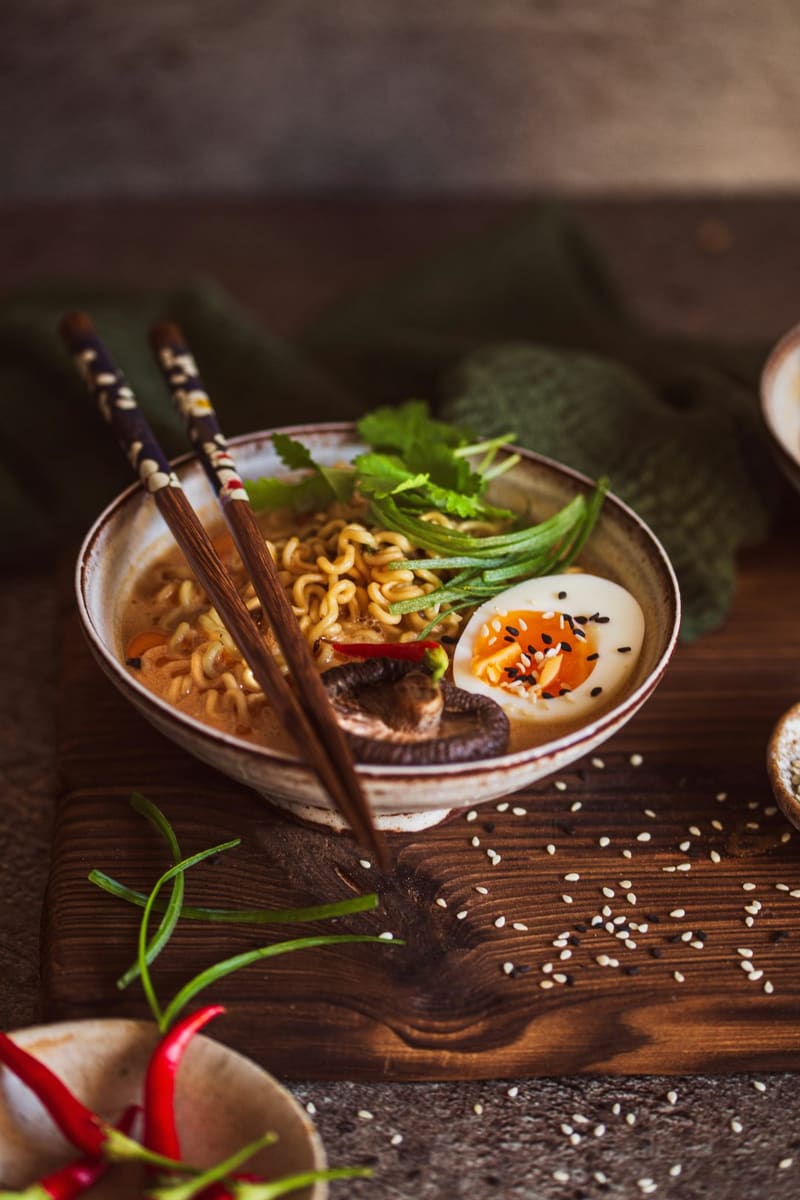
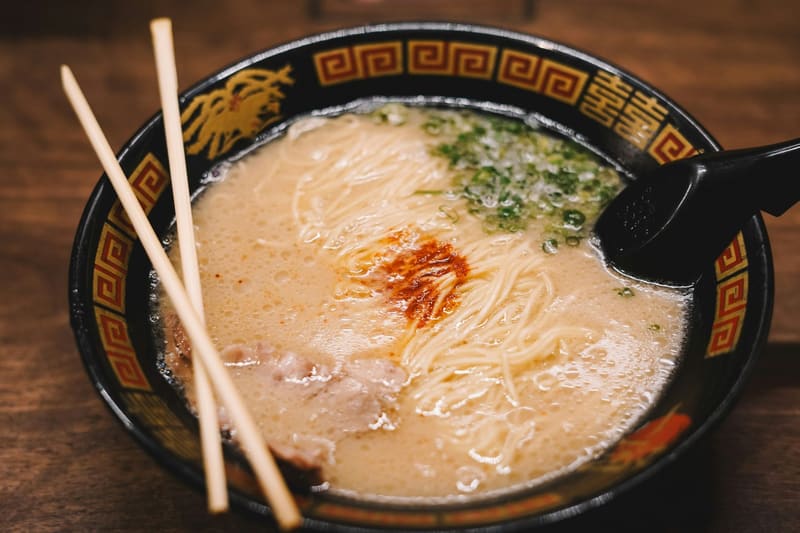

Grouped, priced, and readable
Group by course and by kind rather than printing a numbered list a hundred and forty long. A phone reader is scrolling, not scanning columns, and a group they can jump to is the difference between reading and leaving.
Say what the kitchen actually specialises in. Sichuan, Cantonese, hand pulled noodles, roast duck: the specialism is what separates you from every other Chinese menu in the town.
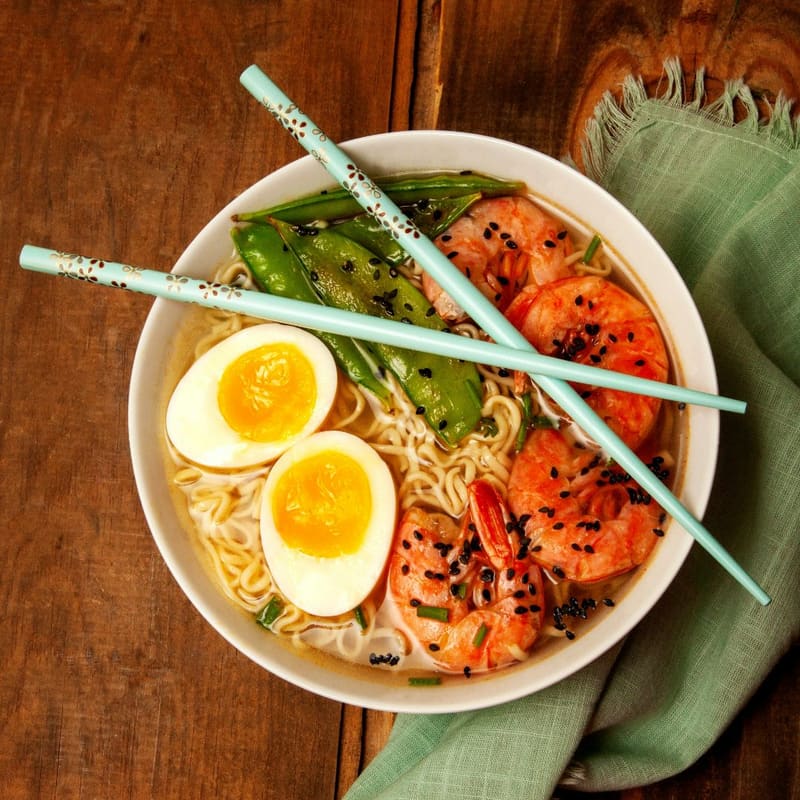
The room and the takeaway
Half of this business leaves the building and it is a different customer from the one booking a table for eight. Both start on the page and each should be one obvious button.
Set menus are how large tables order and how takeaway customers stop reading a hundred and forty lines. Price them per head and say what is in them.

What you can switch on
Every one of these is part of your site, not a plugin to install. Turn on what you use and leave the rest off.
What it looks like when it is live
Drawn rather than described, the page, the address, and what it can switch on.
How it works
-
1
Search your business
Type your name, Clay pulls your photos, hours, reviews and contact details straight from your Google listing.
-
2
Pick a style
Choose a look and Clay builds a full site around your content. Change anything with a tap, no code, no templates to wrestle.
-
3
You're online
Publish to your own name.clay.site in minutes. Add a custom domain and connect your own tools whenever you're ready.
What you get
- Grouped by course and kind, priced
- The regional cooking, named
- Set menus for two, four and six
- Table booking and collection
Questions
How long does it really take?
Most people are live in two to three minutes, search your business, pick a style, publish. There is nothing to install and no signup needed to see your site first, because it is built from your Google listing rather than from a blank page.
Is it free?
Yes. You get a live site on your own name.clay.site address with a small badge in the footer, and nothing expires. The paid plan is your own domain, the badge removed and the pro features.
Do I need any tech skills?
None. If you can type your business name, you can build a Clay site: the live page is the editor, so you tap the thing you want to change. There is no code anywhere, and nothing to install or keep updated, see the WordPress comparison for what that saves.
Can I use my own domain?
Yes, buy it wherever you like and point it at Clay on a paid plan; the certificate is issued for you. Until then the free name.clay.site address is a real one you can print, and it keeps working afterwards.
My menu is very long. How should it go on the page?
Grouped, priced, and jumpable. A phone reader scrolls rather than scanning columns, and a numbered list a hundred and forty long is where they leave.
Should I name the regional cooking?
Yes. Sichuan, Cantonese, hand pulled noodles or roast duck is what separates you from every other Chinese menu in the town.
Are set menus worth publishing?
They are how large tables order and how a takeaway customer avoids reading everything. Price them per head and say what is in them.
Try it with your business
Search your business and see your site in seconds, free, no signup.